How Do CS2 Gambling Sites Work? Are They Safe, and Can You Win?
Updated October 2026 · MyCS2Guru crew
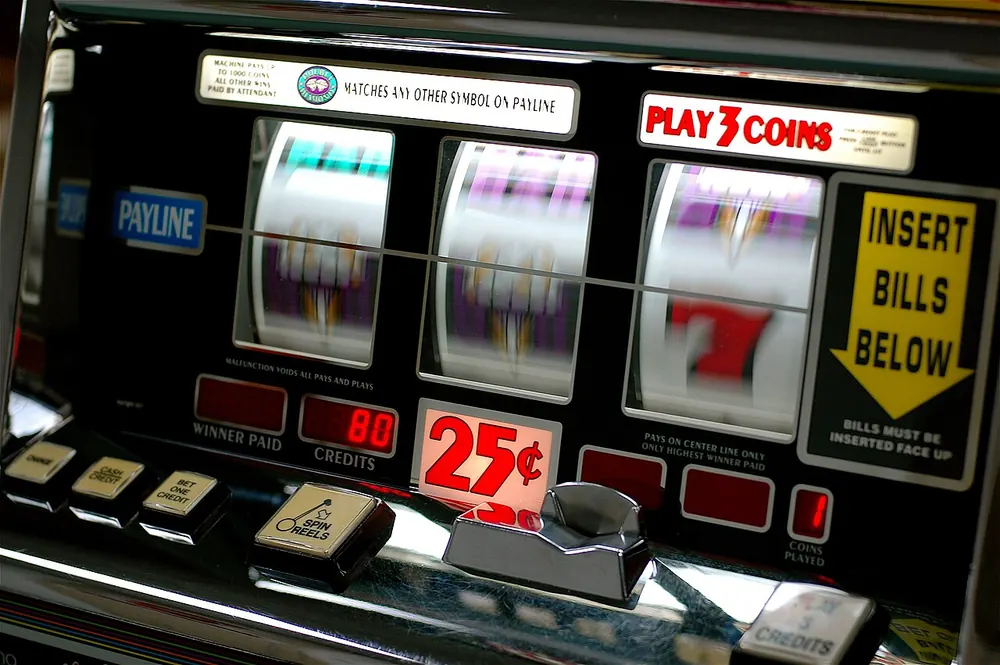
You've seen the streams, the knife unboxings and the case battle clips, bro. But what's actually going on behind the screen? This guide explains how CS2 gambling sites work from deposit to withdrawal, then answers the two questions everyone asks: are CS2 gambling sites safe, and can you win money on them?
18+ only. Responsible gambling.
How CS2 gambling sites work, start to finish
When you arrive at a site, you sign in with your Steam account through Steam's official login window. The site never needs your password. It gets your public Steam ID and, if you choose to deposit skins, your trade URL. That login is the first safety check: if a site asks for your password on its own page or wants your Steam API key, it isn't legit.
Next you add balance. Most sites run on their own currency, often called coins. You get coins by depositing CS2 skins, crypto or, in some regions, cash methods. If you deposit skins, the site values each item, usually based on market prices, and gives you that value in coins once the trade completes. On peer-to-peer marketplaces like CSGOEmpire's, you list a skin, another user buys it with their coins, and you send the item directly to them.
With balance in your account, you play games. Common ones include case opening, case battles, the upgrader, roulette, crash, coinflip, plinko, mines and esports betting. Every game uses a random result to decide what you win, and reputable sites generate those results with a provably fair system that lets you check them afterwards.
Finally, you withdraw. You can turn coins back into skins, either from the site's store or from other users on a P2P market, or into crypto. Bigger withdrawals often trigger identity checks (KYC), and skins you receive are subject to CS2's 7-day Trade Protection.
| Site | Bonus with FREECASES4U | Games | Payments | |
|---|---|---|---|---|
| Clash.gg (Top pick) | 3 Free Cases + 5% deposit bonus | Case battles, cases, upgrader, crash, roulette, plinko, mines, keno, esports | CS2 skins, crypto | Claim |
| CSGOEmpire | Free case up to $1.4k | Roulette, case battles, cases, coinflip, esports | CS2 skins, crypto | Claim |
How the sites make money
CS2 gambling sites are businesses, and they make money in a few predictable ways. The main one is the house edge: every game pays out slightly less than the true odds would justify. On the classic CS roulette wheel, for example, colour bets pay 2x but win 7 times out of 15, which works out to the 6.66% house edge CSGOEmpire lists in its help centre. Case prices are set above the average value of what's inside. Player-vs-player games like coinflip and jackpot take a small cut of each pot, called the rake. Some sites also make a little on the spread between the price they give for skins you deposit and the price they charge for skins you withdraw.
None of this is hidden or unusual. It's how all gambling works. What separates good sites from bad ones is whether they're open about it.
Provably fair: how you can check results
Provably fair systems let you verify that a result wasn't changed after you placed a bet. Before you play, the site commits to a secret server seed by showing you its hash. You add your own client seed, and each roll uses a counter called a nonce. Later the site reveals the server seed so you can check its hash and recompute the result. It's the main reason players can trust established sites more than they could in the early days. Our full guide: what is provably fair?.
Are CS2 gambling sites safe?
The honest answer is: some are much safer than others, and none are risk-free.
The risks fall into a few groups. The first is the site itself. Some sites have closed suddenly with players' balances, refused withdrawals or quietly changed their terms. Established sites with long track records, public operators and steady withdrawal reports are much less likely to do this, but it's never impossible. The second is account security. Phishing sites, fake login pop-ups and API key scams target gamblers because they move valuable skins quickly. The third is account restrictions. Sites can ask for identity verification, limit accounts from restricted countries and lock accounts that break the rules, for example by using a VPN. The fourth, and biggest, is you. Fast games, chasing losses and spending more than planned are the real way most people get hurt.
Here's how to reduce each risk. Use established sites with provably fair games and clear terms. Our two picks are Clash.gg and CSGOEmpire. Log in only through Steam's real window and never share your API key. Check the site's restricted countries before signing up, because CSGOEmpire excludes many, including the US, UK, Australia, France, Germany, Spain and the Netherlands. Verify your identity early so withdrawals aren't held up. Withdraw winnings instead of leaving a big balance on the site. And set limits before you play.
Can you win money on CS2 gambling sites?
Yes, and no.
Yes: people win all the time. Someone hits a knife in a battle, an upgrade lands, a roulette session goes well. In the short term, results swing a lot, and plenty of sessions end up in profit.
No: over many bets, the house edge does its job. If a game returns 93% on average, a player who bets $1,000 in total can expect to end up around $70 down, give or take a lot of luck. The more you play, the closer your results get to that average. That's why no betting system, pattern or "strategy" turns these games into a reliable income.
The one area where skill can matter a bit is esports betting, because research into teams, maps and rosters can help. Even there, the bookmaker's margin means most bettors lose over time, and only a small number with real information edges come out ahead.
So the realistic way to think about it: you can win money on a given day, but you shouldn't expect to make money from CS2 gambling. Treat it like buying entertainment, and treat any win as a bonus to withdraw.
What a responsible session looks like
You decide a budget before logging in, say $10. You claim any free perks first, such as the free cases from FREECASES4U. You pick one or two games you understand and bet small amounts, around 1-5% of your budget per bet. You stop when the budget's gone or when you're up enough to withdraw your starting amount. Then you log off and write down the result. That's it. Sessions like that keep gambling fun and stop it from becoming a problem.
Quick myths check
People often believe sites let new accounts win to hook them, that certain times of day are "looser", or that a colour or crash point is "due". None of that holds up. Provably fair results don't depend on your account age or the time, and every round is independent. Another common myth is that streamers' wins prove a site is generous. Many streamers play with sponsored balances, so their results tell you nothing about your odds.
Where to go next
- Best CS2 gambling sites (our two picks)
- Is CS2 gambling legal?
- How to gamble CS2 skins step by step
- CS2 gambling tips and strategy
A plain-English glossary
Coins / balance: the site's internal currency, usually pegged to a dollar value. House edge: the average share of each bet the site keeps over time. RTP (return to player): the flip side of house edge; a 95% RTP game has a 5% edge. Rake: the cut taken from player-vs-player pots. Wagering requirement: how much you must bet before bonus money can be withdrawn. KYC: "know your customer" identity checks. Rakeback: a share of the house edge paid back to regular players. Trade Protection: CS2's 7-day window during which traded items can be reversed, which affects skin withdrawals.
Red flags that a site isn't working the way it should
Withdrawals that are "pending" for days with no explanation, support that disappears when you ask about a payout, odds that aren't shown anywhere, sudden new KYC demands only when you try to cash out a big win, and terms that changed after you deposited are all warning signs. If you see them, stop depositing, withdraw what you can and look for recent independent reports from other players.